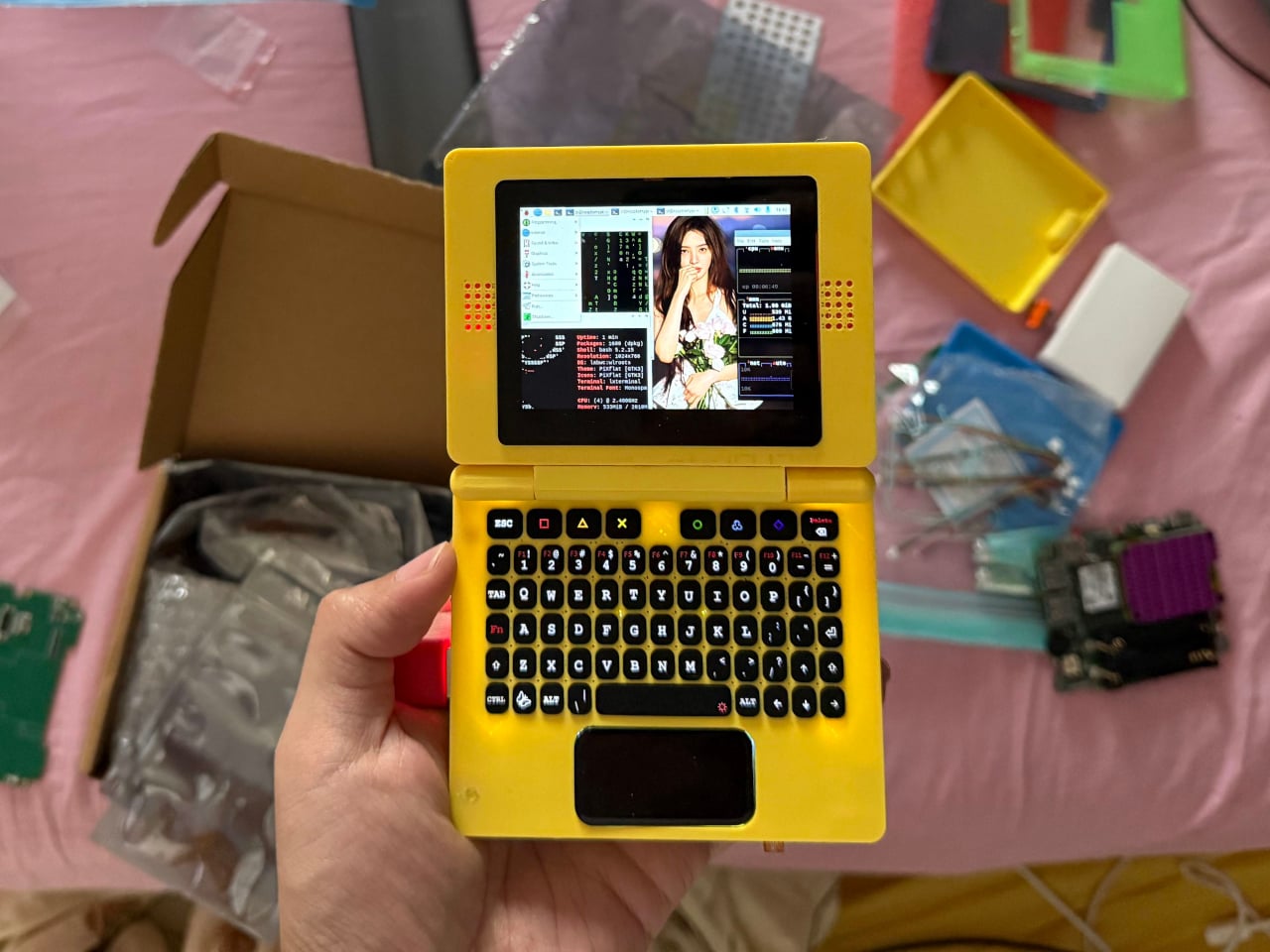
The commercial laptop market has gotten good at making portable computers slim and powerful, but it hasn’t quite figured out what to do with people who want something truly pocketable. A growing number of DIY enthusiasts have taken matters into their own hands, building compact personal computers known as cyberdecks from scratch, and the results have been growing increasingly polished and impressive.
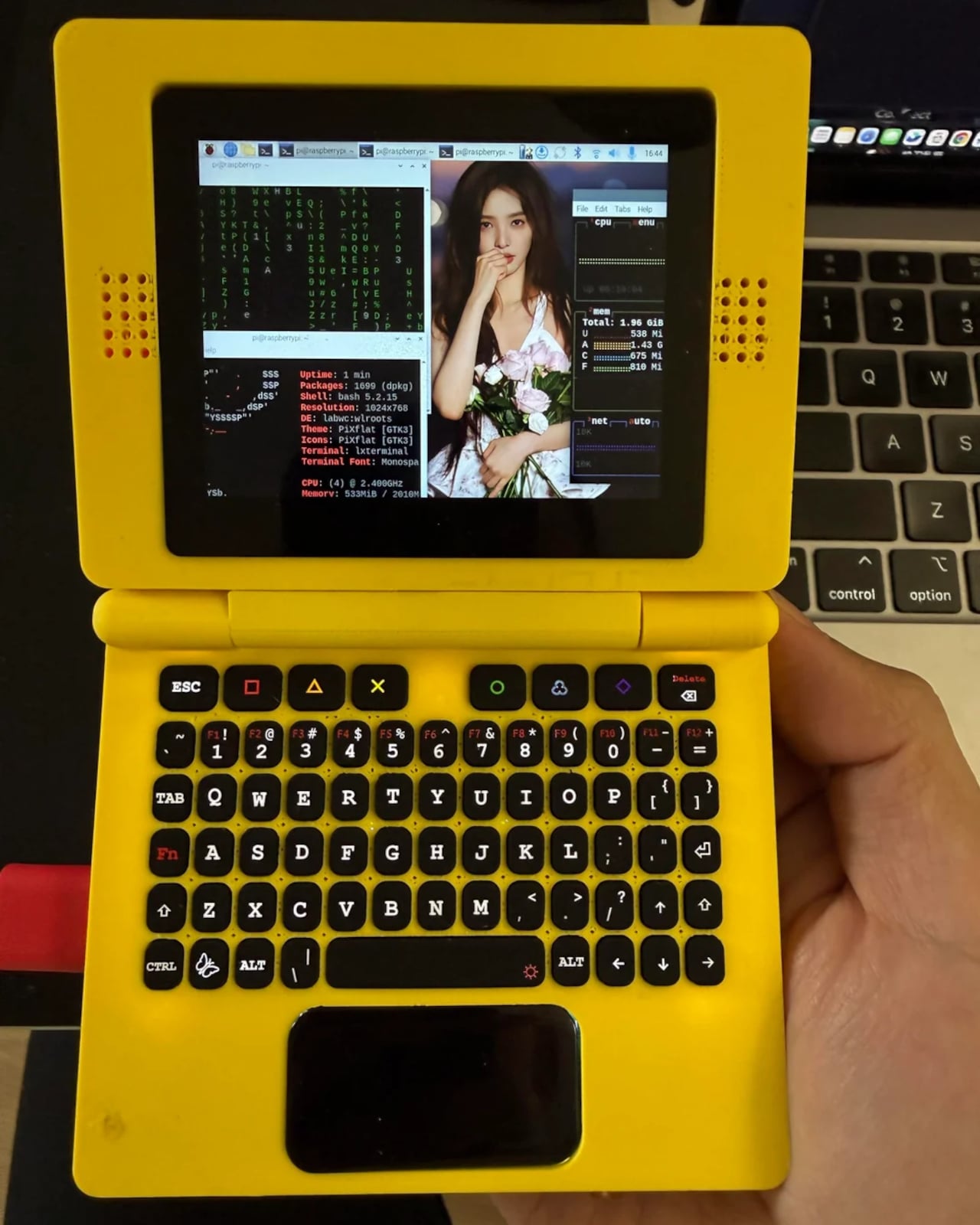
The CyberFold is a recent and remarkably polished example of just that. Made by a pseudonymous duo going by Eggfly and MeiYao, it’s a foldable clamshell cyberdeck that bears a striking resemblance to an oversized Nintendo Game Boy Advance SP. But flip it open, and what you’ll find inside is a surprisingly capable Linux computer, complete with a touchscreen, a full QWERTY keyboard, stereo speakers, and a proper port selection.
Designers: Eggfly, MeiYao
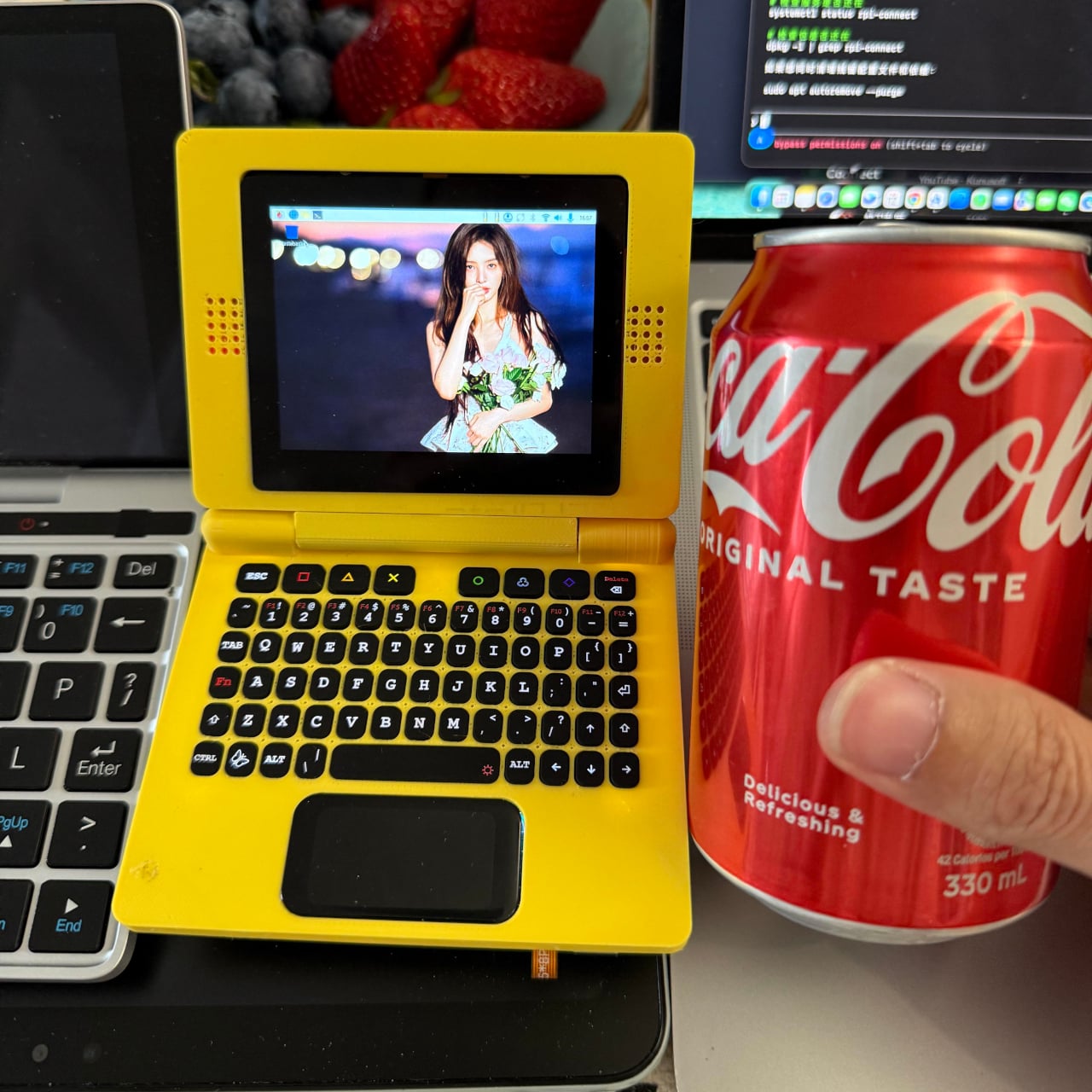
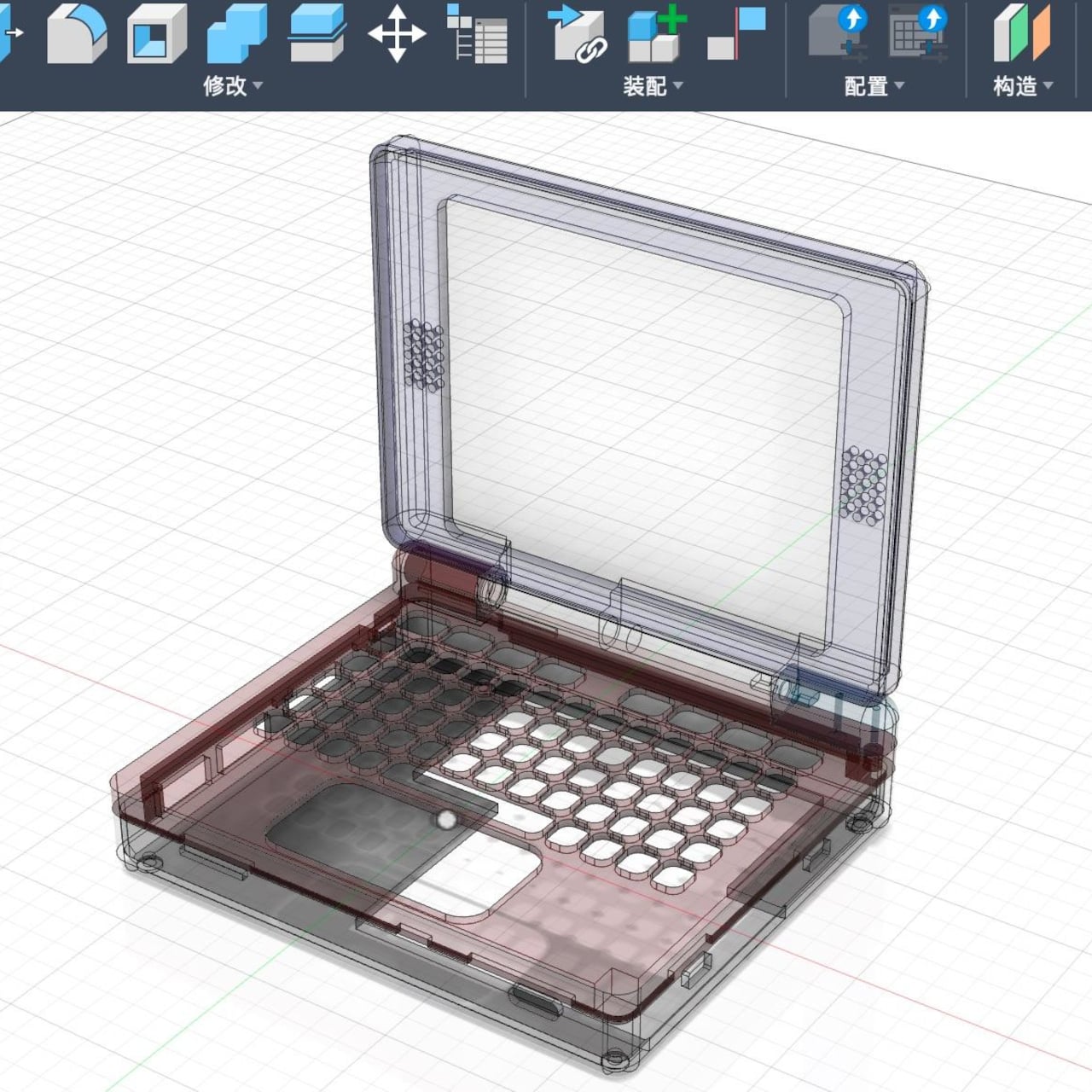
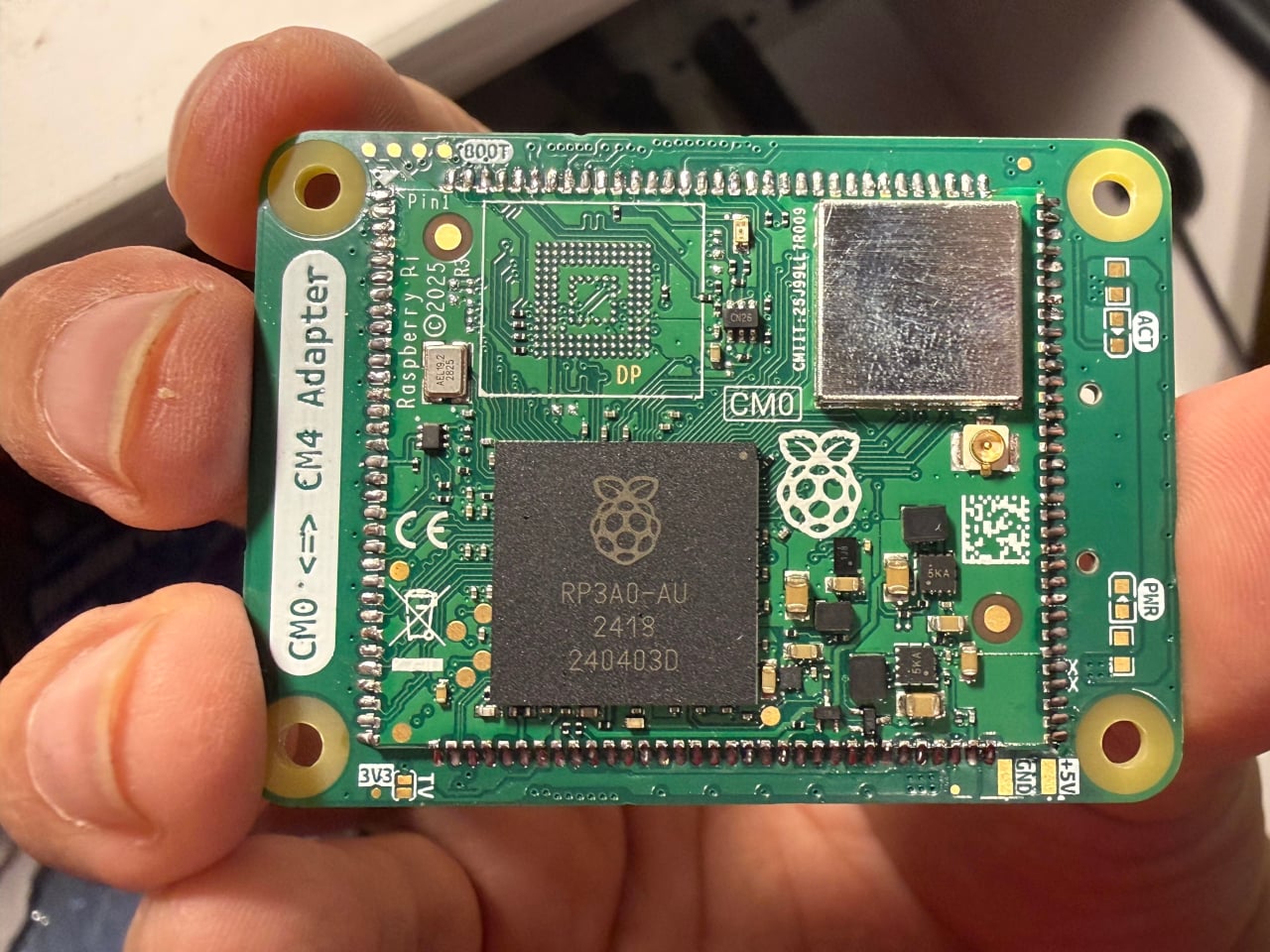
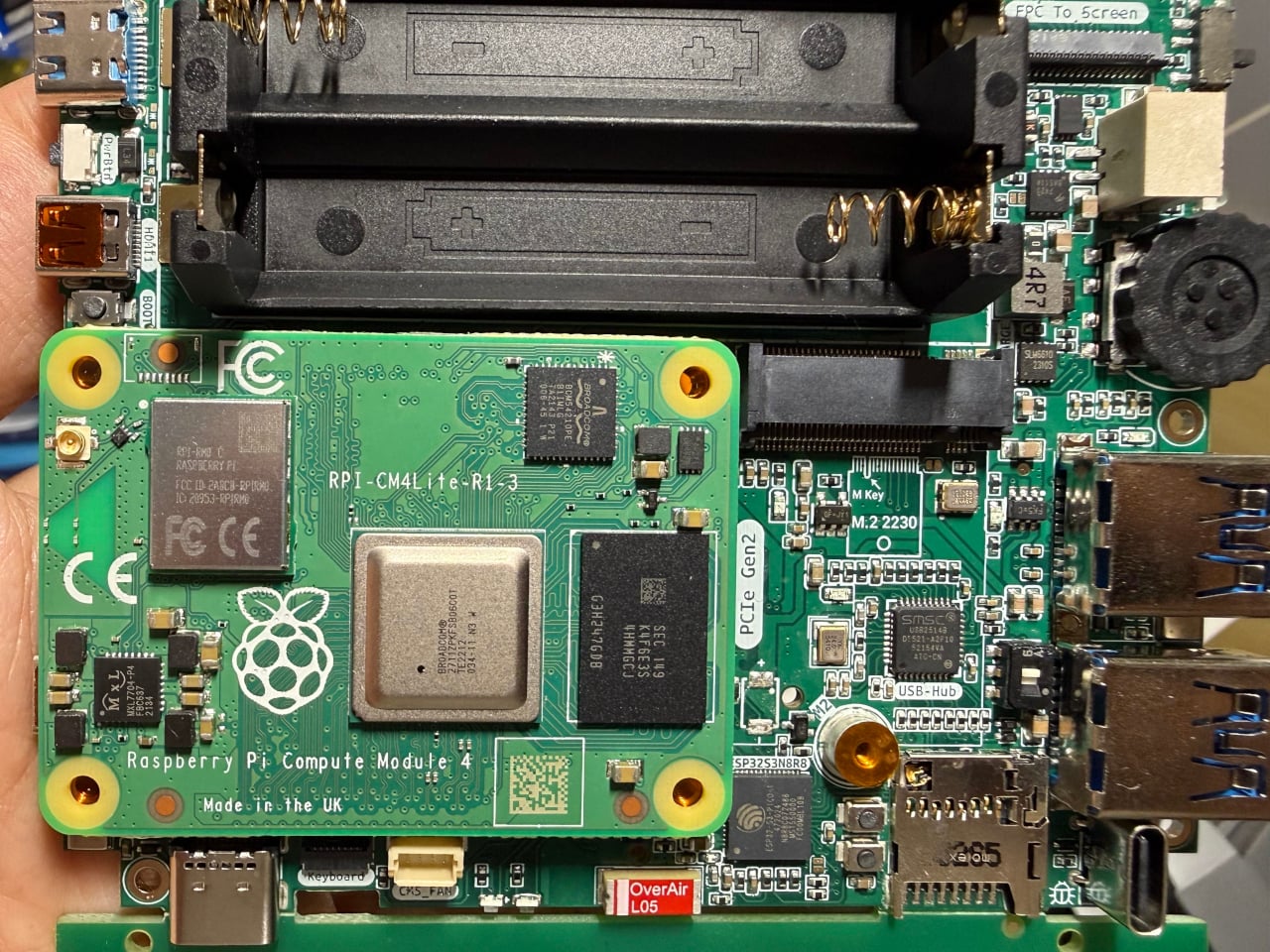
The computing heart of the CyberFold is a custom motherboard that accepts the Raspberry Pi Compute Module family, specifically the Compute Module 4, Compute Module 5, or the affordable Compute Module Zero. These are the embedded variants of the popular Raspberry Pi 4 and Raspberry Pi 5, shrunk to a compact form factor without sacrificing real processing power, making them a natural fit for a pocketable machine.
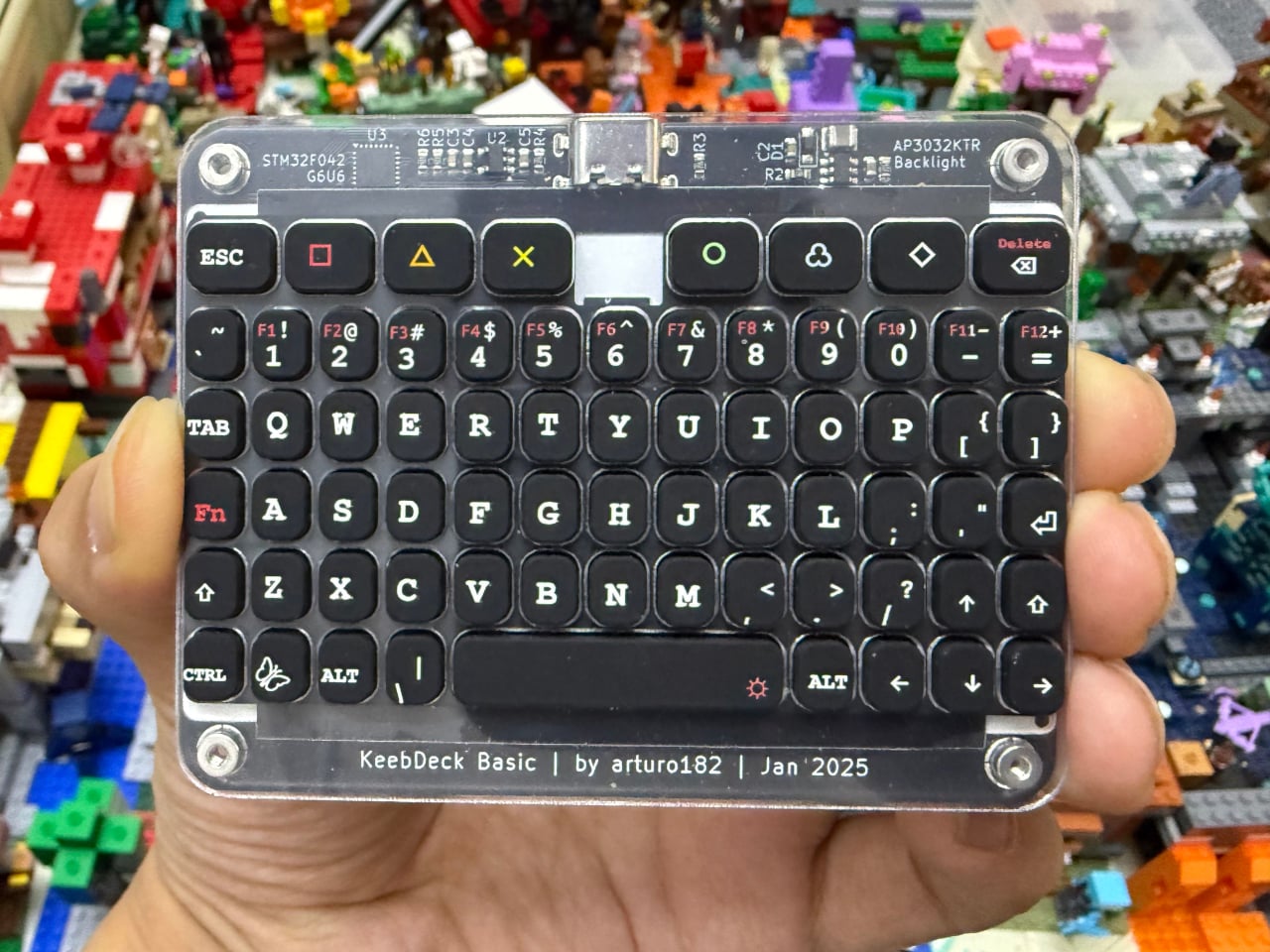
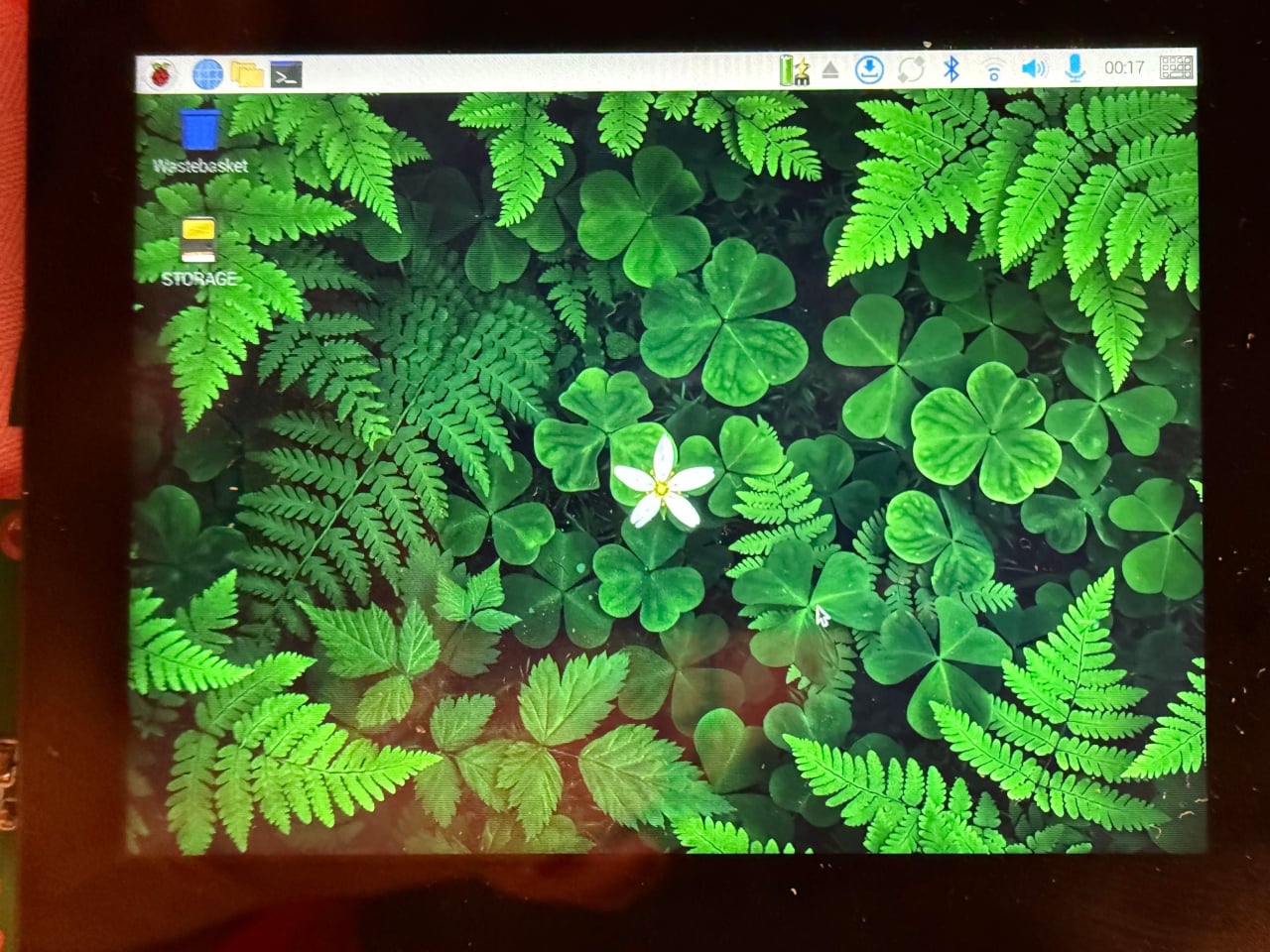
Open the CyberFold mid-commute or at a workbench, and you’re greeted by a 1024×768 capacitive multi-touch display, responsive enough for everyday computing and comfortable for touch-based navigation. Below it is a compact QWERTY silicone keyboard based on Solder Party’s open-source KeebDeck design, which Eggfly built from the original design files. It’s the kind of input that calls to mind old-school palmtop computers, but with a full operating system running underneath.
One of the more clever details on the CyberFold is the touchpad, which pulls double duty as a secondary display. Running on an Espressif ESP32-S3 microcontroller, it shows live battery percentage and power consumption data, independent of the main computer. It’s the kind of thoughtful feature you’d normally see on a commercial device that went through multiple rounds of product refinement, not something you’d expect from a maker’s personal project.
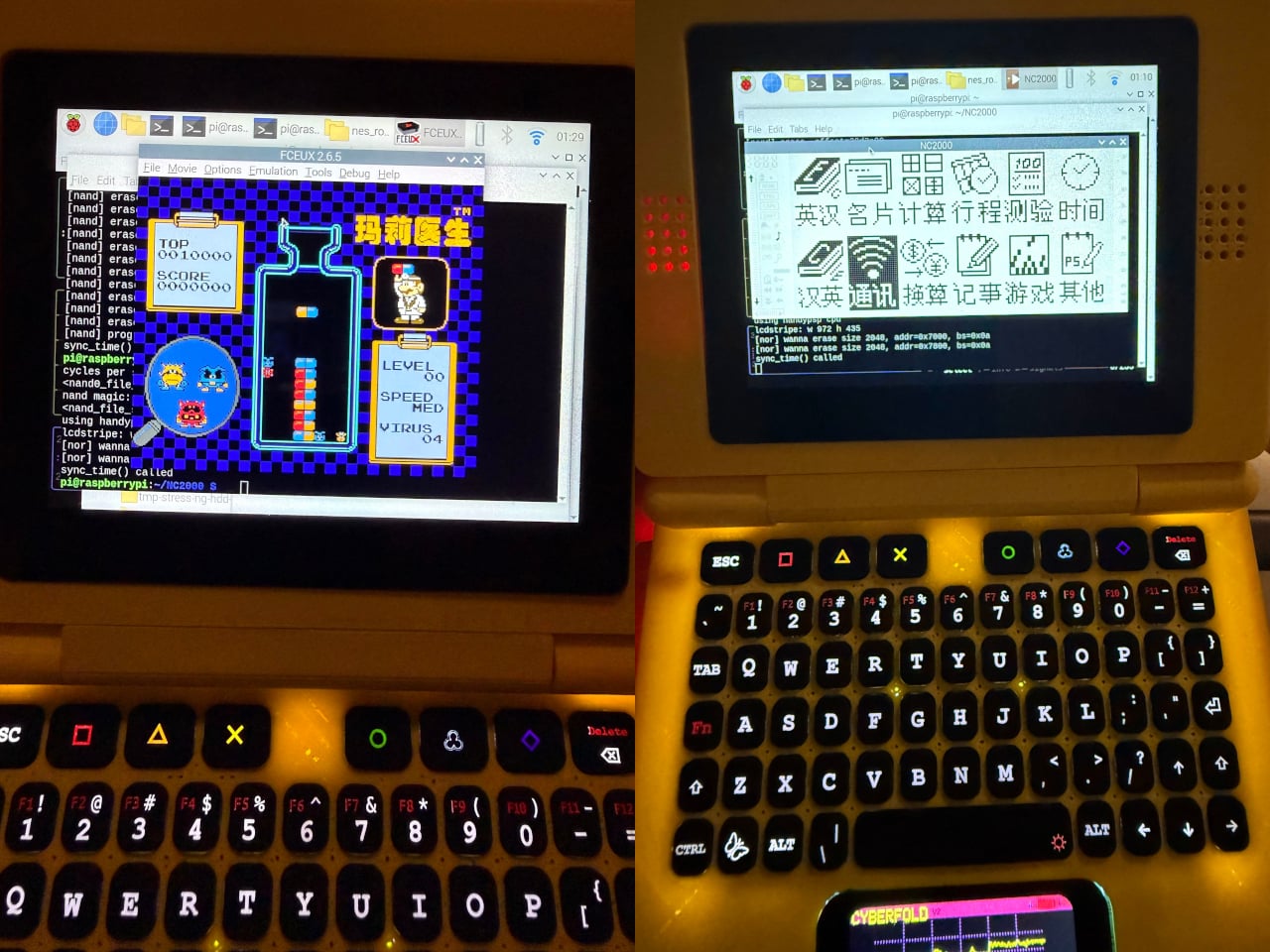
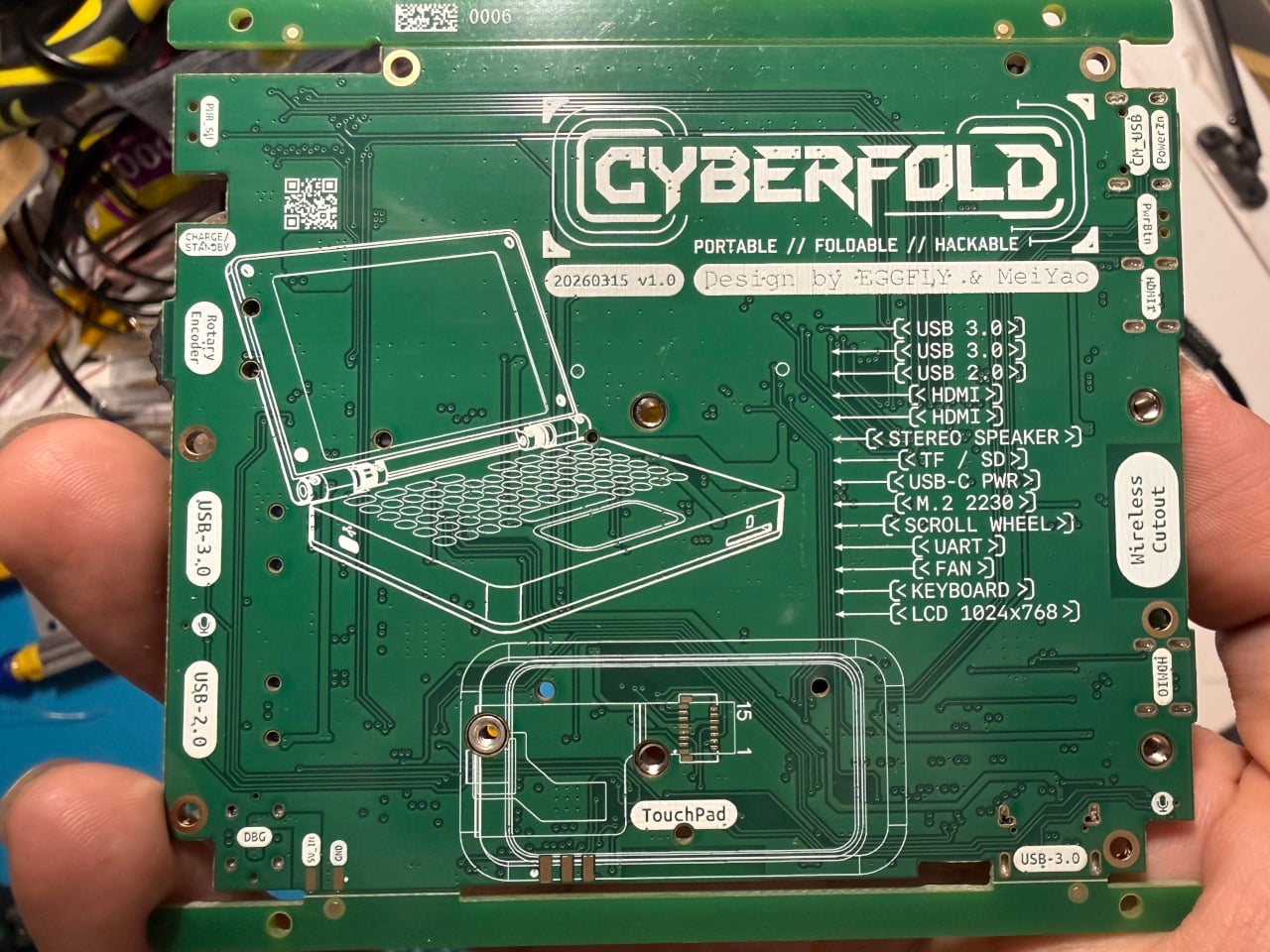
Connectivity isn’t something the CyberFold cuts corners on. Full-size USB 3.0 and USB 2.0 ports handle peripherals easily, while two HDMI outputs let you extend to a larger screen when needed. A microSD card slot, a debugging port, and stereo speakers flanking the display round things out, and a rotary encoder scroll wheel adds a satisfying tactile element to everyday navigation.
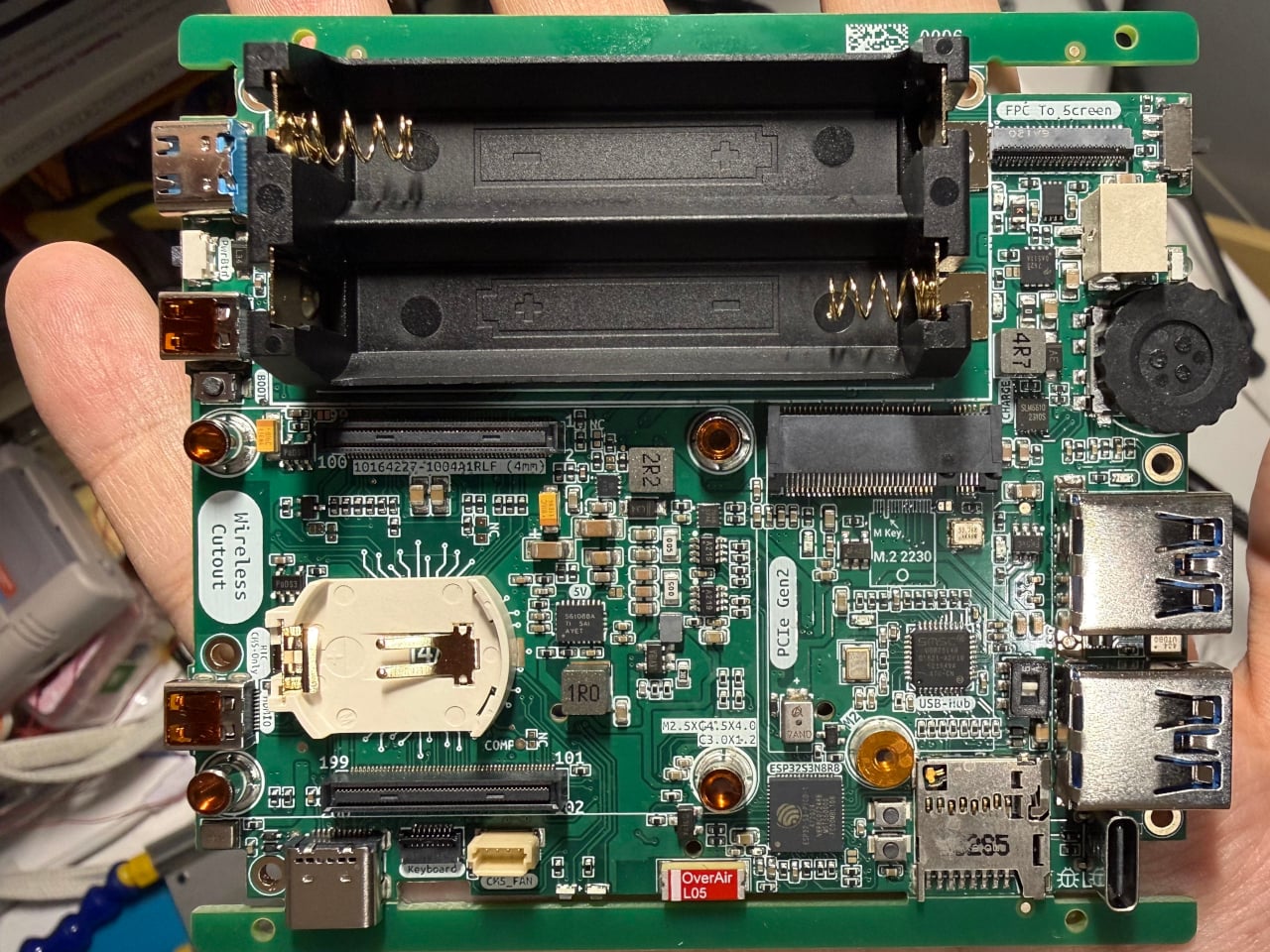
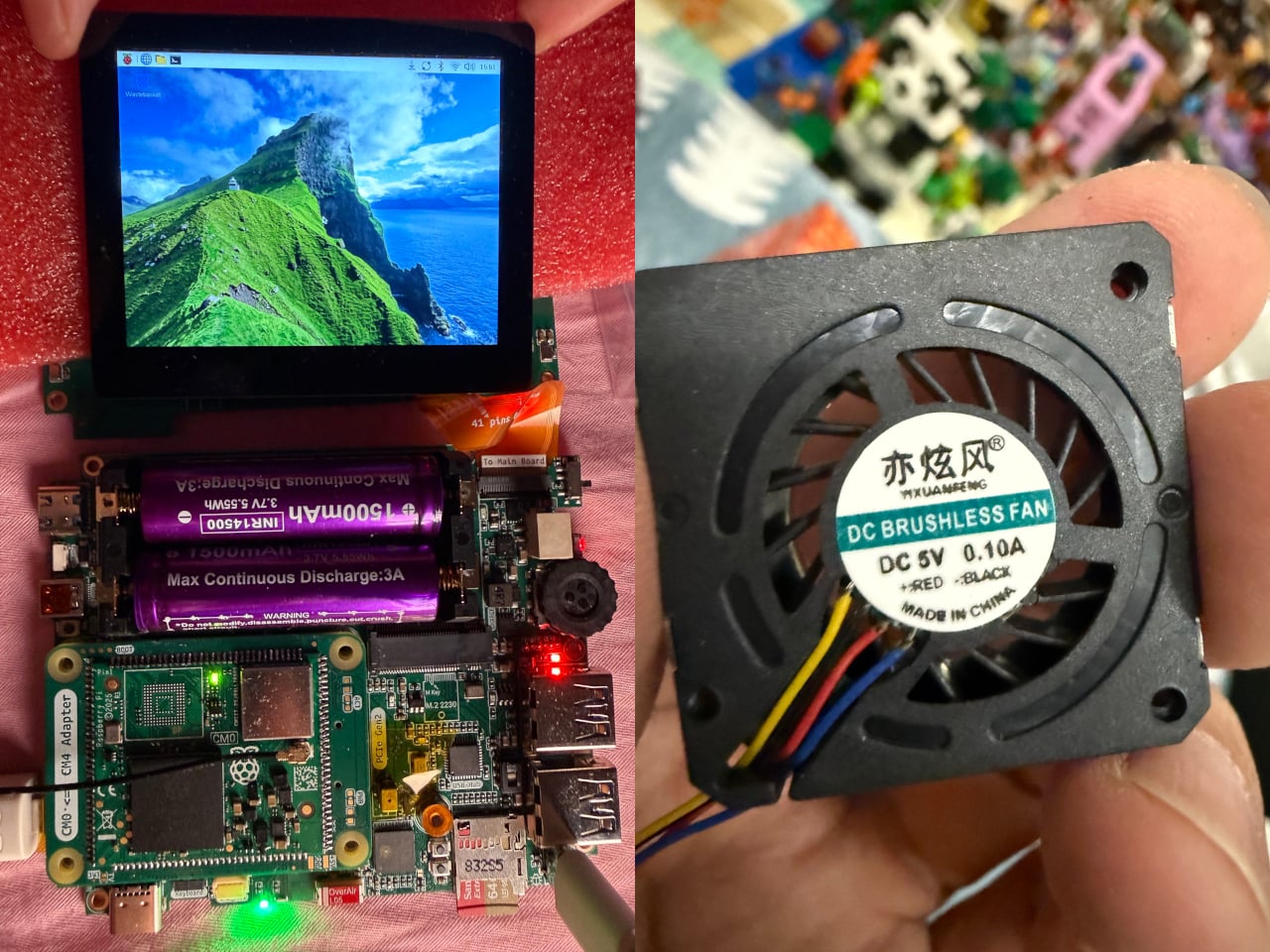
Power comes from a pair of batteries in an integrated holder with a built-in charging circuit, so you can top it off without cracking the device open. The clamshell form factor keeps the screen and keyboard protected when closed, making the whole thing practical enough to slip into any bag. Eggfly hasn’t released the design files publicly yet, but the maker community has already taken a keen interest.
There’s something appealing about the CyberFold that goes beyond its spec sheet. It represents a very specific kind of ambition: the desire to own a computer that fits in your jacket pocket, runs whatever software you choose, and was assembled by hand. Commercial products can maybe deliver two of those three things at best, and that gap is exactly what keeps the cyberdeck community building.
The post Two Makers Just Built the Pocket Linux PC Big Tech Refused To Make first appeared on Yanko Design.


0 Commentaires