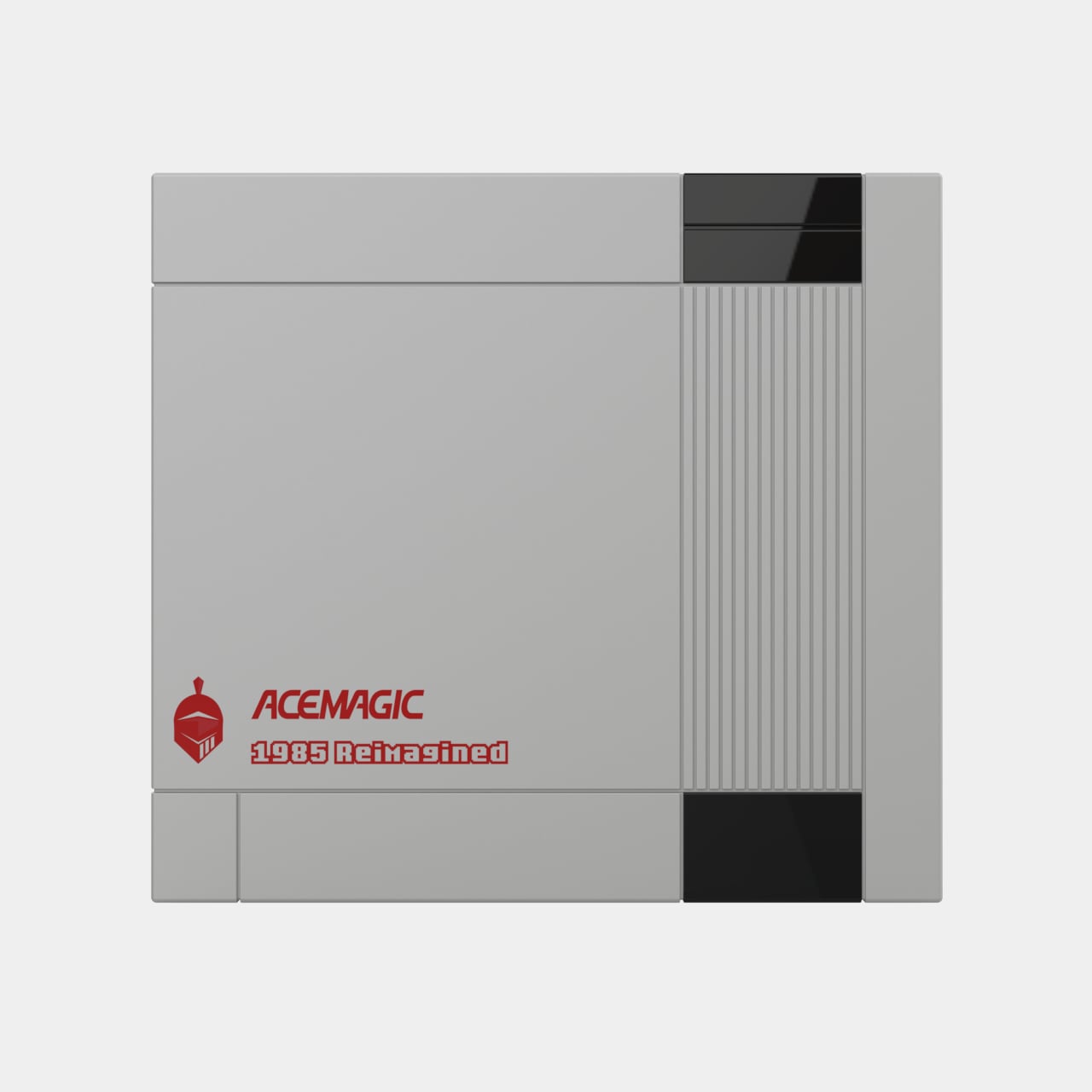
There is something quietly absurd about building a serious PC in the shape of a 1980s game console. Not absurd in a dismissive way, but more in the way that a very good idea sometimes sounds ridiculous until you see it sitting on a desk. The ACEMAGIC Retro X5 is exactly that kind of object: a compact Windows 11 Pro machine dressed in the rectangular geometry of classic cartridge-loading hardware, with a red power button where the reset button probably lived in your memory.
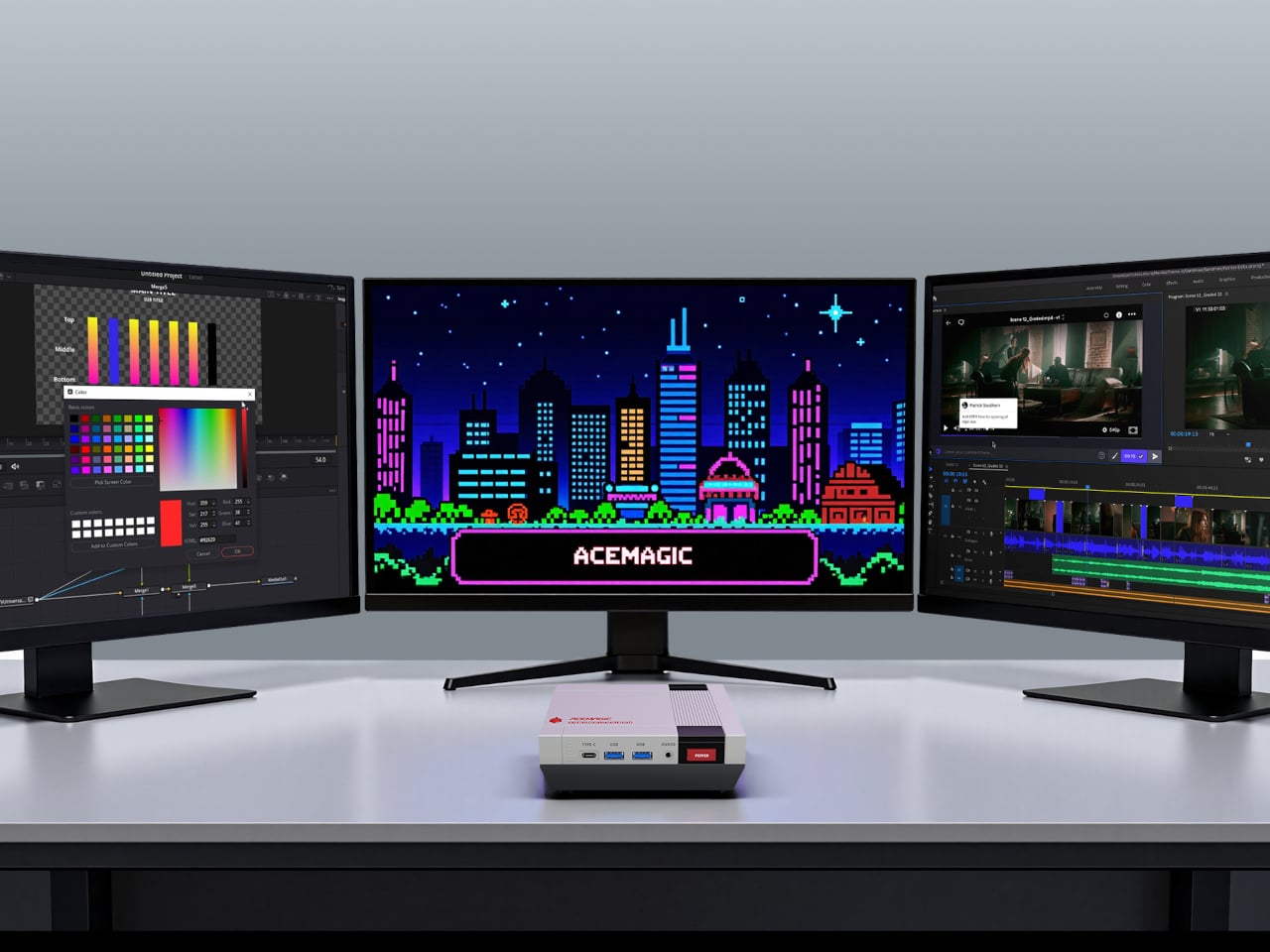
At 138mm x 128mm x 45 mm, the Retro X5 occupies roughly the footprint of a thick paperback. The body follows a black, white, and gray palette, with mechanical-style grilles cut into the cooling vents. A removable snap-fit panel lets you access the internals without tools, which signals something deliberate about the design: the whole thing is meant to be touched, handled, and opened rather than just admired from across a shelf.
Designer: ACEMAGIC
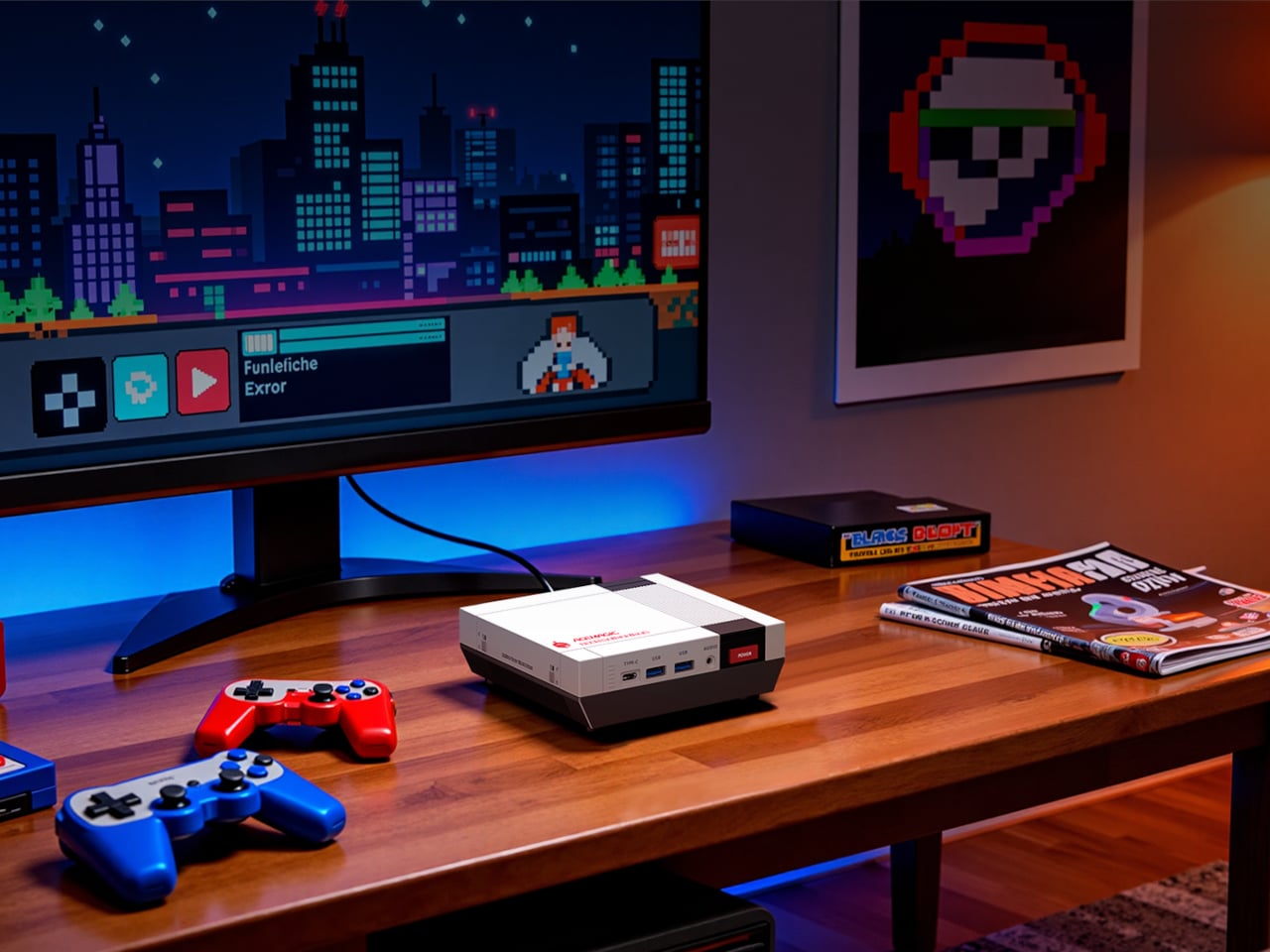
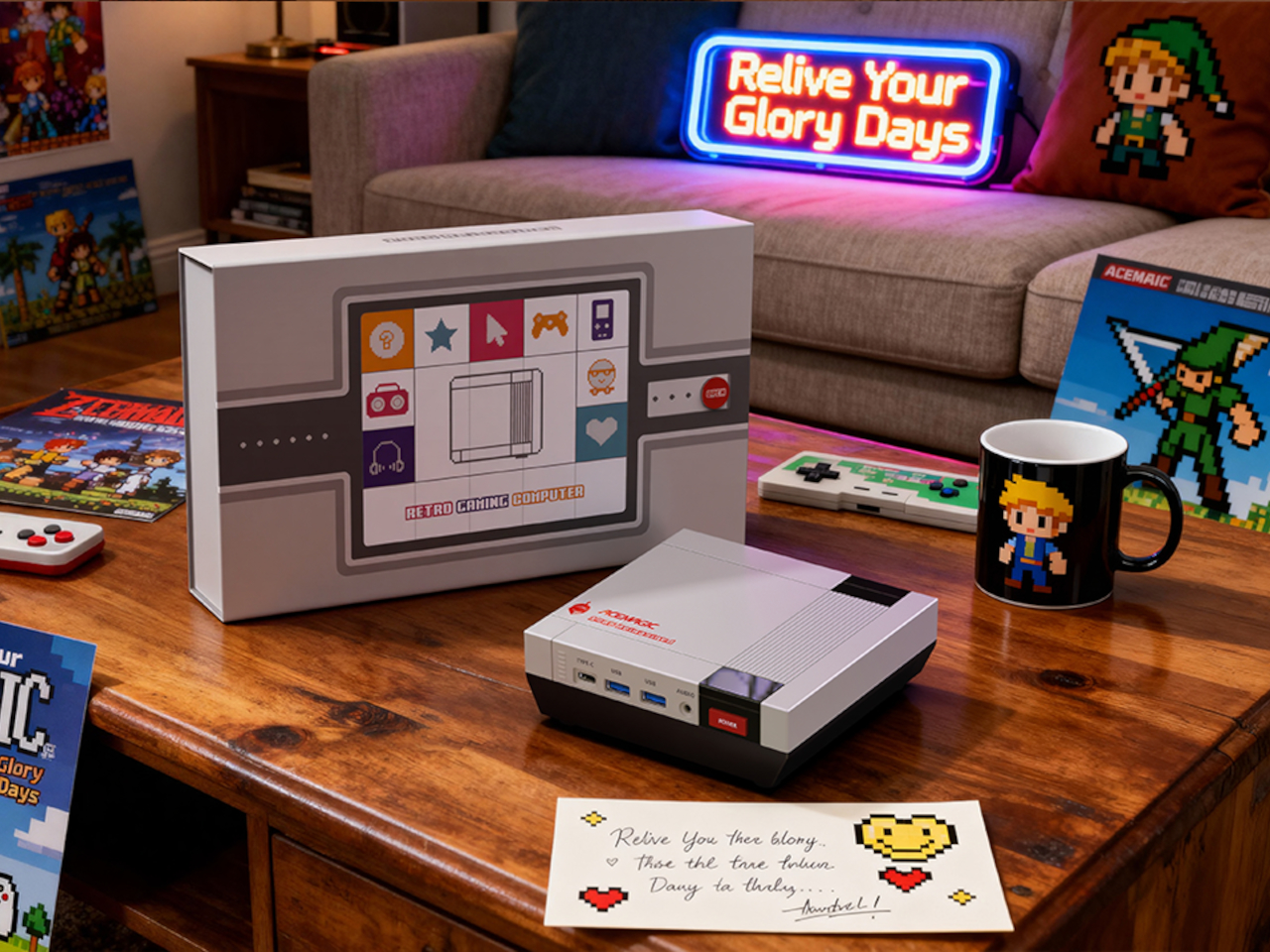
Inside that nostalgic shell sits AMD’s Ryzen AI 9 HX 370, a 12-core, 24-thread processor paired with the Radeon 890M GPU running at 2,900 MHz. The base configuration ships with 32 GB of DDR5 5,600 MT/s memory and a 1 TB PCIe 4.0 NVMe SSD. For anyone who has watched mini PCs ship with soldered RAM and single storage slots for years, the two M.2 2280 slots, expandable to 4TB total, are a more practical detail than the retro styling gets credit for.
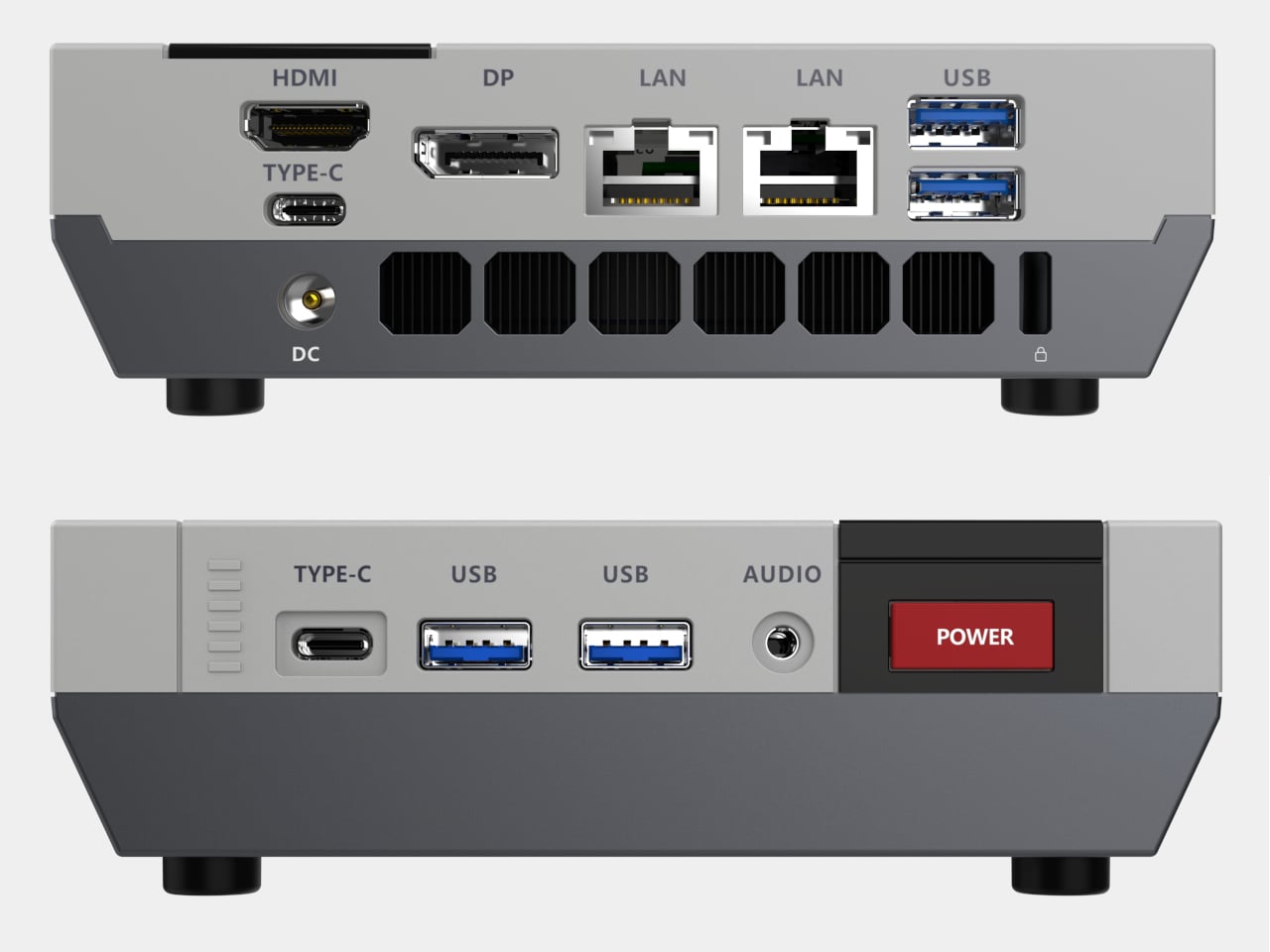
The port selection makes the Retro X5 less of a novelty and more of a credible desk workhorse. The front has two USB 3.2 Gen 2 Type-A ports, a USB4 Type-C, and a 3.5 mm audio jack. The rear adds two more Type-A ports, a second Type-C, dual 2.5 GbE Ethernet, HDMI 2.1, and DisplayPort 2.0; altogether, the machine supports up to four screens at once, with both HDMI and DP capable of 8K at 60 Hz.
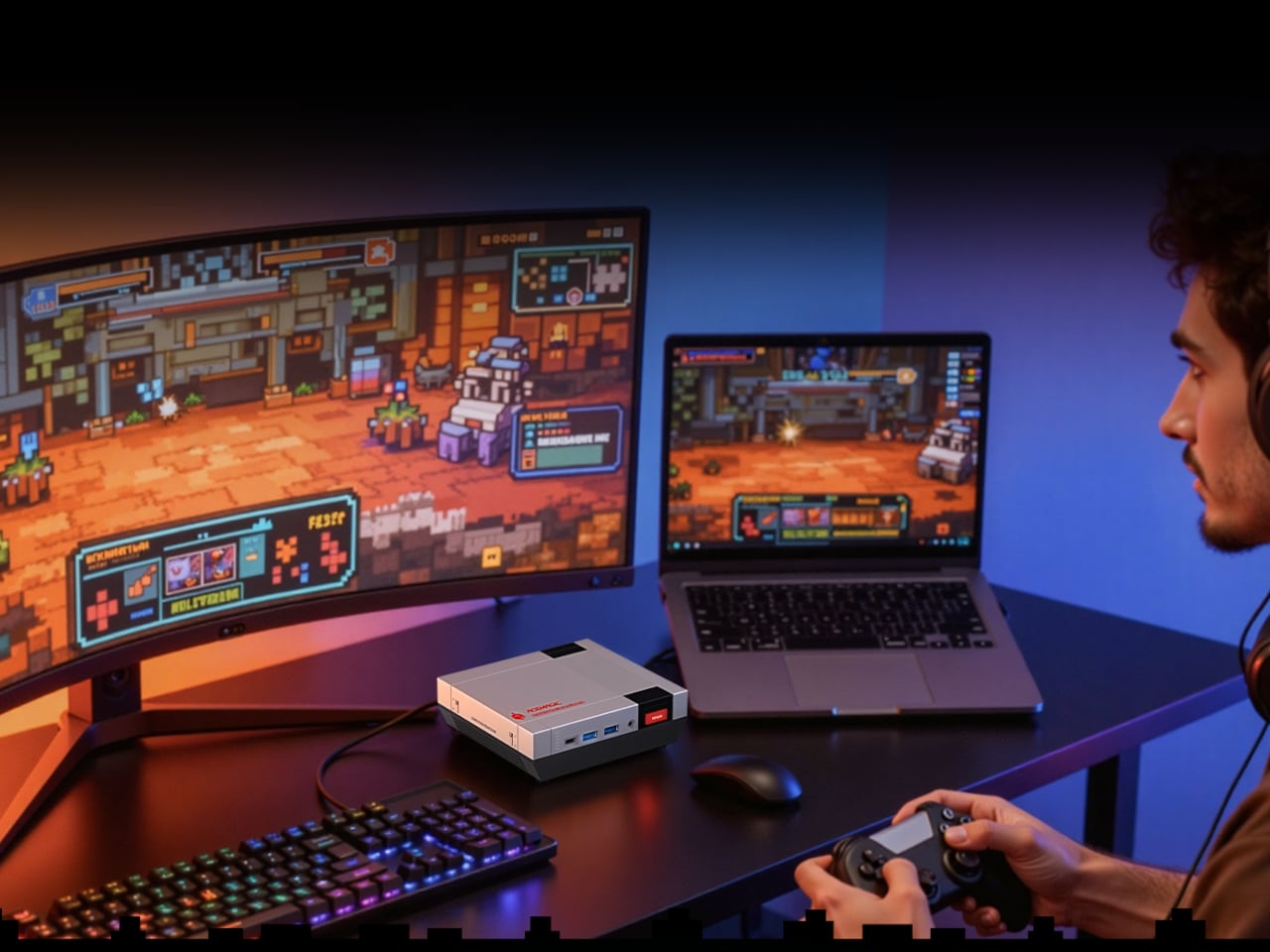
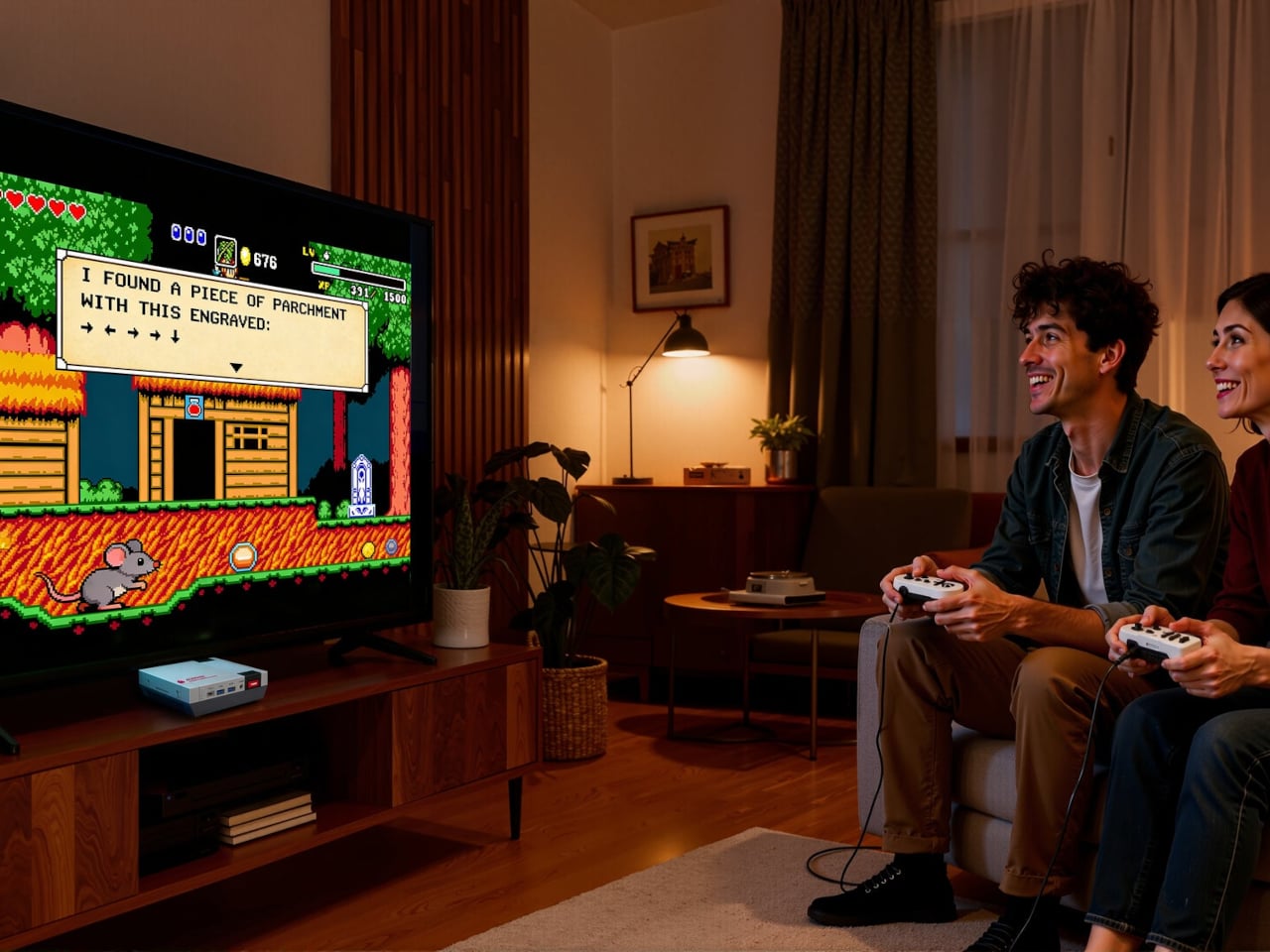
ACEMAGIC also positions the Retro X5 around local AI workloads, citing support for models like DeepSeek R1 70B and LLaMA. The HX 370’s neural processing unit makes that plausible on paper, but running a 70B-parameter model on 32 GB of shared memory depends heavily on quantization levels. That distance between the spec sheet and actual large-model performance is the part that the product page, understandably, does not get into.
At $959 for the 32 GB and 1 TB pre-order configuration, the Retro X5 sits at the upper end of the mini PC category, where other AMD Strix Point machines without the retro treatment tend to start closer to $600 or even $700. The premium covers partly the HX 370’s stronger GPU tier and partly the design itself. Whether that casing reads as a charming object worth the difference, or just a clever coat of paint on familiar hardware, is probably the right question to ponder before hitting that Checkout button.
The post This $959 Mini PC Looks Like an NES But Runs 70B AI Models first appeared on Yanko Design.


0 Commentaires