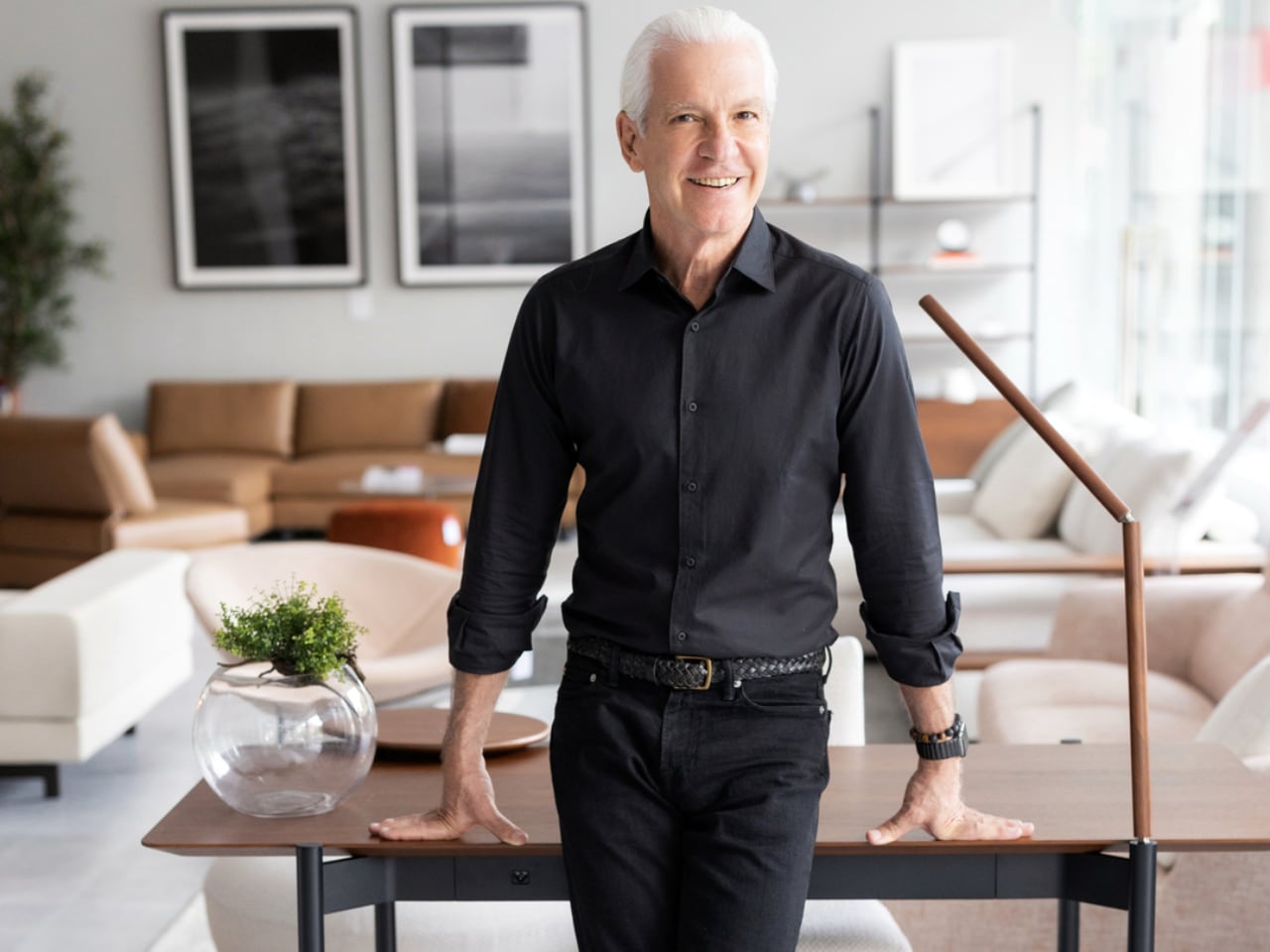
David King’s journey from 1960s pop star to furniture mogul represents one of the most unconventional paths in design history. At age 16, King was part of the psych-pop band King Fox, whose 1969 hit “Unforgotten Dreams” became a Top 5 hit in Sydney, charting for over four months. After the band split, he shifted to furniture, establishing King Living in 1977 alongside his mother, Gwen King, creating foam furniture at home and selling it at Sydney’s Paddy’s Markets.
Designer: King Living
King can trace the decades by the configuration of Australia’s living rooms, as he tells The Sydney Morning Herald’s Jessica Yun. The 1960s and ’70s were all modular furniture and “conversation pits.” During the recession of the early 1990s, Australians stayed indoors and preferred more traditional two-seaters and armchairs. Natural leather and adjustable backs were all the rage. Some things, though, never go out of fashion. “Australians want comfort,” King said. “You live your life on these things. You spend the best moments of your life on a sofa.” His philosophy is direct: “Why would you buy a bit of generic rubbish to spend the best hours of your life? I wouldn’t do it. So we just tried to make better and better furniture.”
Learning from Street-Side Failures to Inform Better Design
King’s design education was unconventional and driven by direct, practical exploration rather than formal classroom training. He and his mother Gwen began creating foam furniture at home and selling it at Sydney’s Paddy’s Markets, marking the humble start of what would become King Living. King was struck by the amount of broken, discarded furniture on Sydney’s streets and used this as a learning tool to understand structural failures.
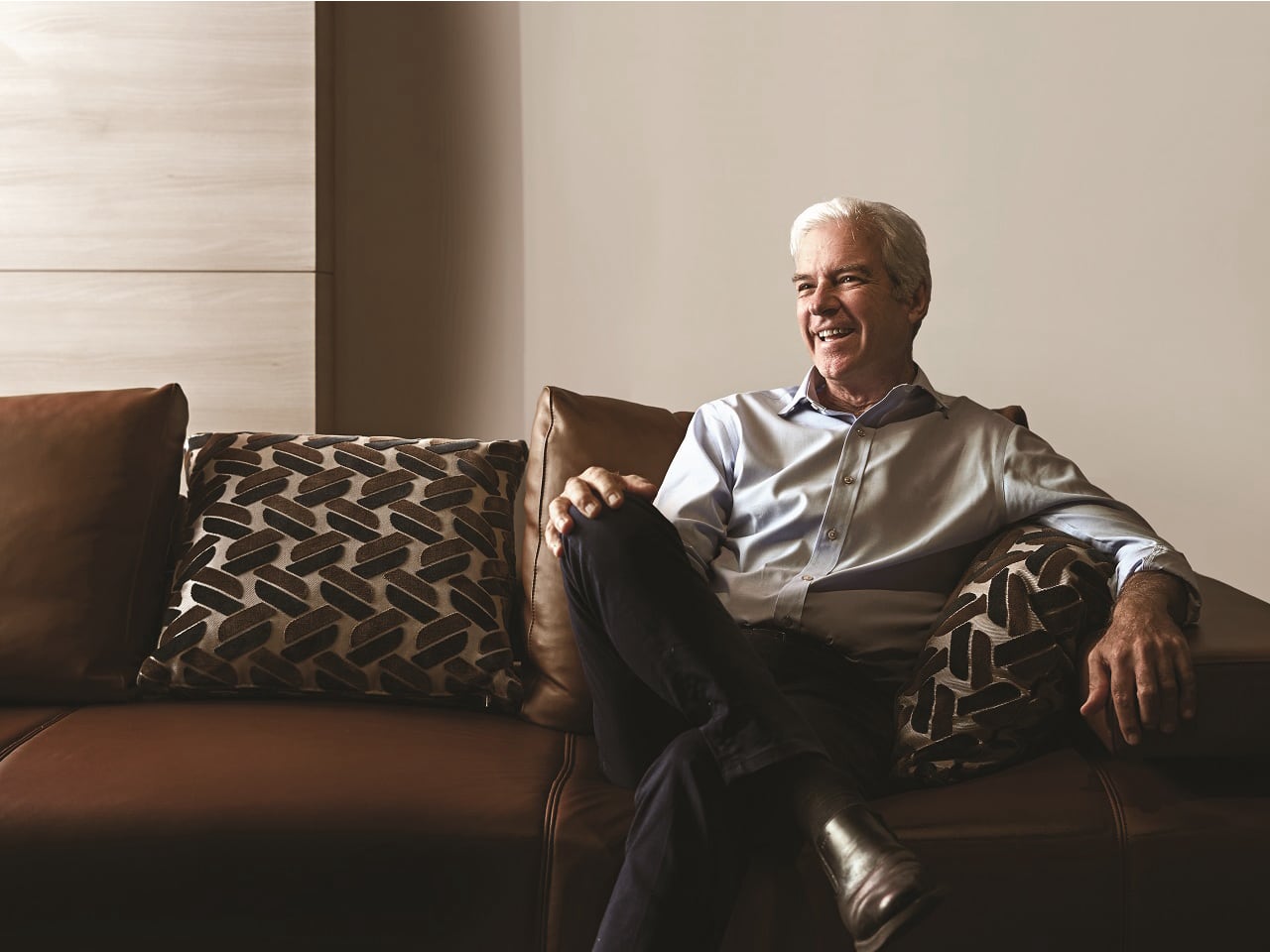
“The way we studied furniture was looking at what people were throwing away,” he said. His early research included studying discarded furniture at second-hand stores and op-shops, analyzing why pieces failed and designing to avoid those weaknesses, especially with timber frames. “Most furniture is timber frames. They break or they creak. The webbing goes saggy and the seats are soggy, or the fabric’s torn, and Mum and I wanted to make something that would last.”
This investigative approach fundamentally shaped King Living’s product philosophy and innovative features. The company’s designs specifically address structural weaknesses King identified in conventional furniture. It led to the luxury seat-suspension inspired by luxury car seats and protected by a patent that forms the foundation of his popular, and pricy, modular sofa ranges such as the Jasper or Delta.
King’s mother provided the philosophical foundation that guides the company’s quality standards. “My mother always said, ‘If you want to do something, do it well first time.’ That’s how we’re set up,” King recalls. His father was a judge and his mother a “very elegant woman.” This mother-son partnership became the foundation for King Living’s global success.
Premium Positioning and the Graduation Market
King Living’s success at the top end owes its continuity to outlasting some of the Australian furniture brands that have faded into obscurity. The company focuses on delivering the best of the best if customers can afford to pay. Priced about $6000 for a three-seater couch, most customers can’t buy a King Living sofa until their mid-30s, when they’re looking to “graduate” from their pre-loved, poorer-quality furniture that has started falling apart.
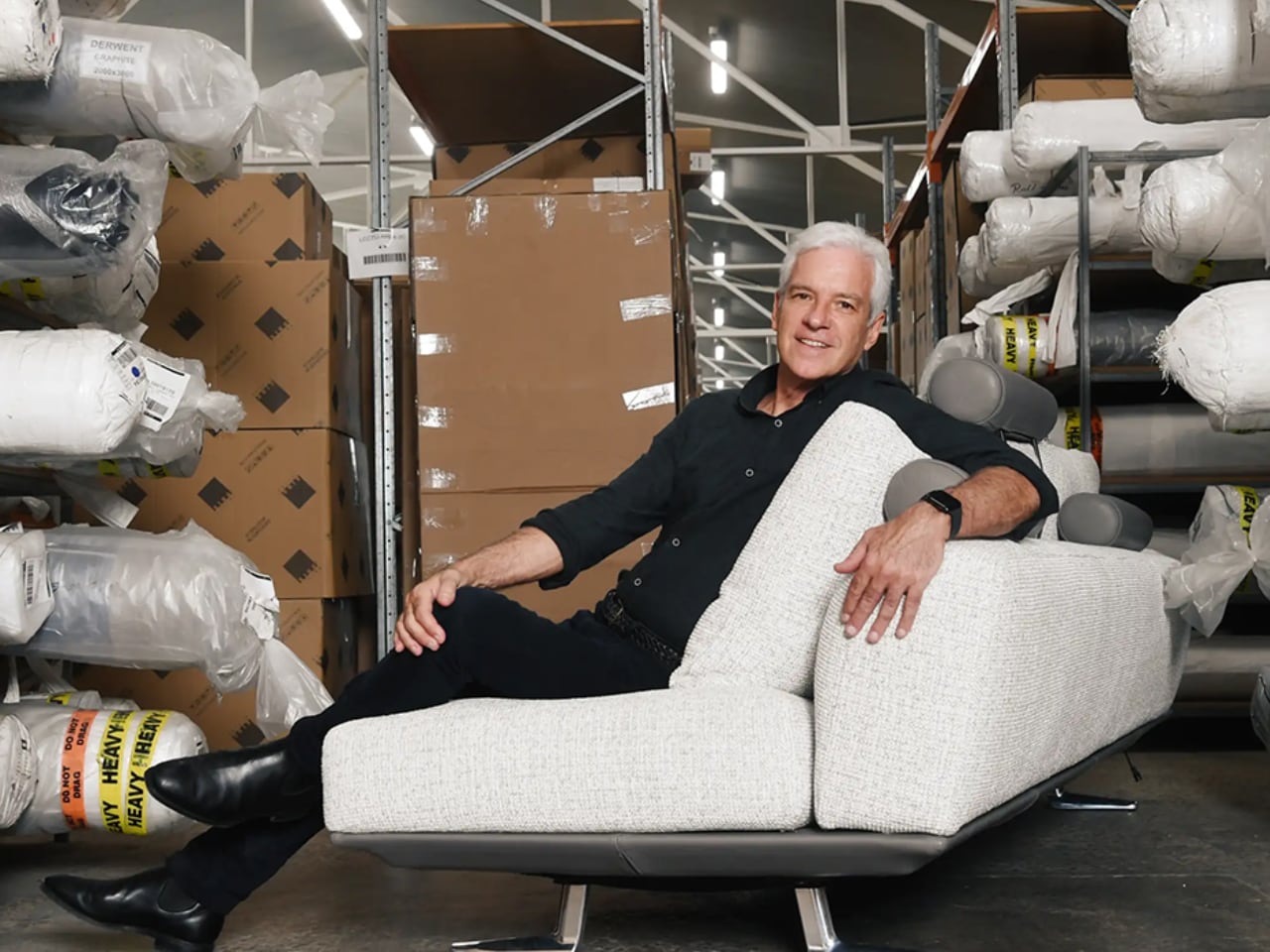
“I want something, you realise it’s got to be something that’s going to last,” King said. “And people always ask me if a lounge is expensive. But the issue is not whether it’s expensive – it’s value for money.” There’s even for people who can afford it, a perception that “these sofas are out of the market,” he said. “I prefer to be on the side of the value for money, because that’s why people buy Kings.”
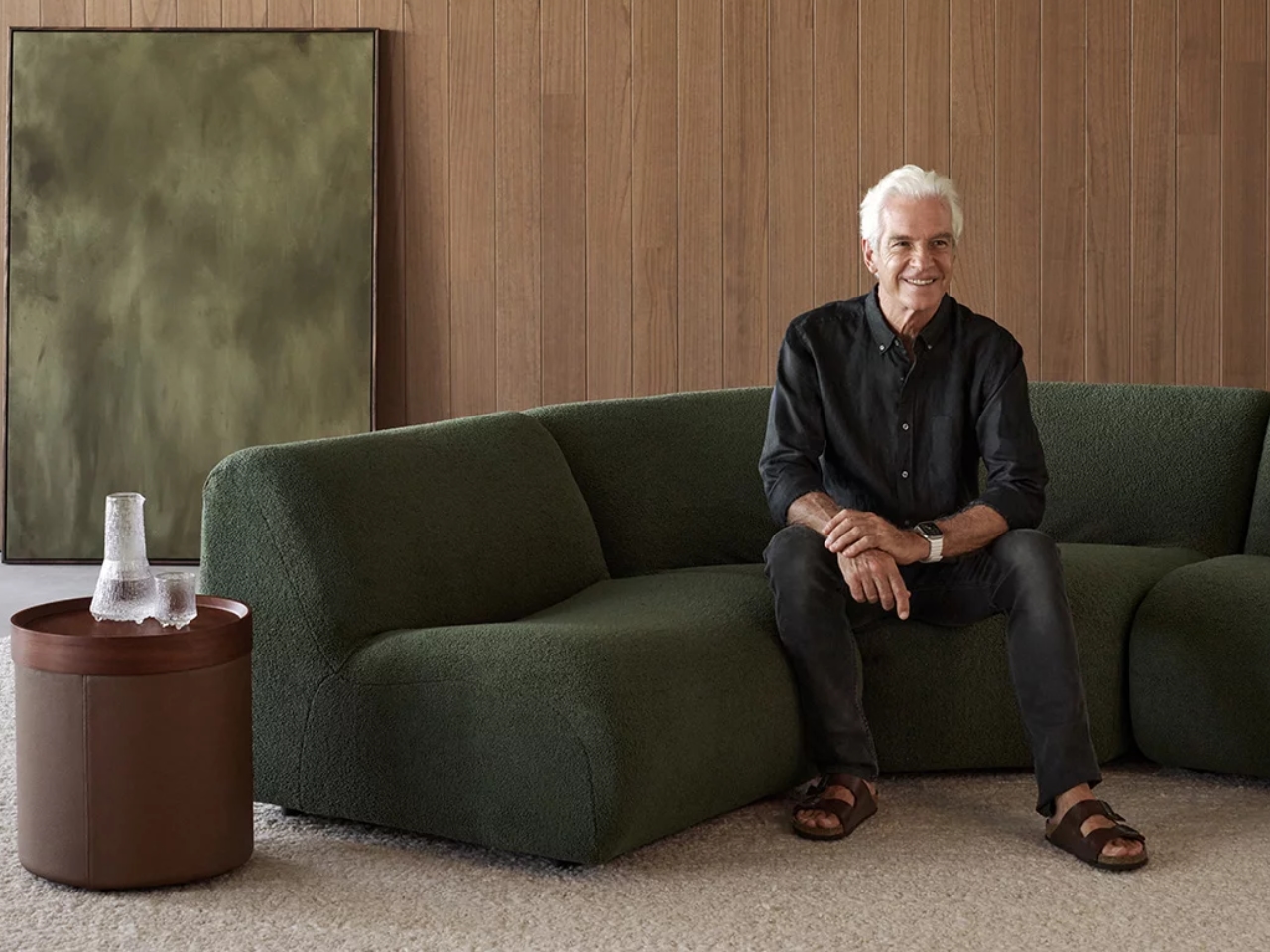
“They think it’s the Rolls-Royce of furniture, but how do you appeal to the younger market?” King questions. When asked if that’s how he wants King Living to be seen, he responds: “We think we can do that, and then we think we always do that.”
The company generated approximately $343.5 million AUD in total revenue in 2024, demonstrating the viability of premium positioning in the furniture industry.
Strategic Global Expansion Without Compromising Quality
The business is working on expanding its range “without compromising.” “We cannot make a product that isn’t brilliant, that people don’t love,” he said. “We never go into super luxury, quite expensive stuff, but people expect that of us.”
By the end of the year, King Living will have 40 showrooms around the world. Half of these are in Australia, which last year sold $208.7 million worth of furniture, 7.8 per cent more than the year beforehand. The rest are overseas, in Singapore, Canada and the US. Britain, Canada and the US are priority markets. Japan is also planned for 2026.
There are currently two King Living stores in the US, with a new showroom in Los Angeles opening later this year. “It’s like playing a big game of chess,” King said. King Living’s slower approach to its global rollout has largely met success, even where it wasn’t expected.
You’ll find a King Living showroom in Calgary, Canada, where it doesn’t seem to make sense for its population of 1.7 million until you learn that a quarter of its population migrates south for six months of the year and people spend more time indoors in the northern hemisphere.
There were plenty of moments of doubt opening in London and Vancouver were some of them. “I always get that feeling: Have I done the wrong thing here? Is this wrong?”
Singapore Expansion and Market Understanding
As preparations were made to launch in Singapore in 2015, King Living’s international market research had found locals preferred European design and smaller furniture to fit their smaller apartments. Despite this research, King Living proceeded with their established approach and found success in the Singapore market, validating the company’s belief in the global appeal of quality comfort furniture.
King Living Singapore has become an established part of the company’s international presence, with David King quoted as being “thrilled to expand the KING offering in Singapore” and expressing excitement about the community response and demand for King Living’s philosophy.
Legacy-Minded Design Philosophy
King’s preferred style of ruling has always been gentle yet old fashioned. A former talent coordinator for Young Talent Time and a former child pop star, he recalls a time when his father was a judge and his mother a “very elegant woman.”
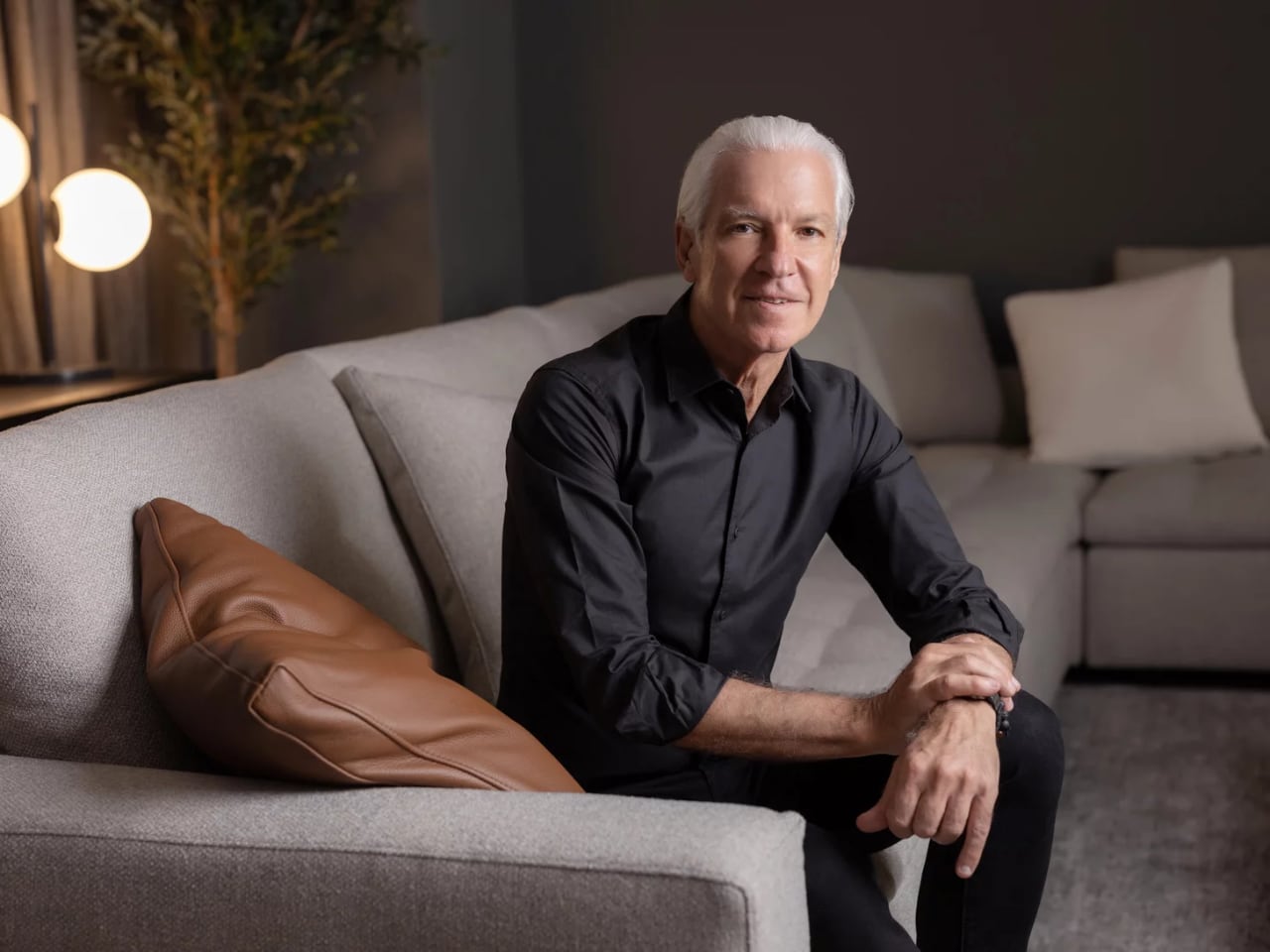
King believes furniture isn’t about filling space but about shaping how people live. The business has grown through product quality and word-of-mouth rather than flashy advertising. King isn’t aiming for quick exits or IPOs but sees King Living as a multi-generational design house.
Questions We’d Love to Explore with David King for our Yanko Design readers and aspiring designers:
Unconventional Design Education:
Your systematic analysis of discarded furniture at op-shops and on Sydney streets provided unique insights into failure patterns. How would you advise young designers to develop this investigative approach to understanding product weaknesses?
Mother-Son Partnership:
Your mother Gwen was your business partner from the Paddy’s Markets days and provided the ‘do it well first time’ philosophy. How did this family collaboration shape King Living’s approach to quality and customer relationships?
Design Philosophy:
You describe furniture as a ‘life partner’ and focus on pieces built to last decades. How does this long-term thinking inform your technical design decisions and engineering innovations?
Market Positioning:
You’ve successfully positioned King Living as the ‘Rolls-Royce of furniture’ while growing from weekend markets to global showrooms. What advice would you give designers about premium positioning without losing authenticity?
Manufacturing Strategy:
Your vertical integration approach is rare in furniture. How does controlling the entire process from design to retail impact your ability to address the structural failures you identified in conventional furniture?
Global Expansion:
Your Singapore success contradicted market research predictions. How do you balance cultural adaptation with maintaining the core quality principles developed through your street-side furniture analysis?
Sustainability:
Your focus on repairability and modular design addresses the throwaway furniture problems you observed. How do you see the furniture industry evolving toward more sustainable practices?
Legacy Building:
You’re building King Living as a multi-generational design house rather than seeking quick exits. What principles guide decisions when thinking in decades rather than quarters?
These insights reveal how unconventional education methods, family partnerships, and systematic problem analysis can create sustainable competitive advantages in mature industries.
Sources: The Sydney Morning Herald, “King reigns supreme with upmarket furniture showroom growth plans” by Jessica Yun, July 18, 2025; The Sydney Morning Herald Business & Entrepreneurship, “‘You live your life on these things’: The King assembling the Rolls-Royce of furniture,” July 11, 2025; King Living company records and verified industry sources
The post From Pop Star to Furniture Empire: David King’s Design Philosophy That Built King Living first appeared on Yanko Design.


0 Commentaires